

What Is Embroidery Digitizing and Why It Matters for Custom Apparel and Branding
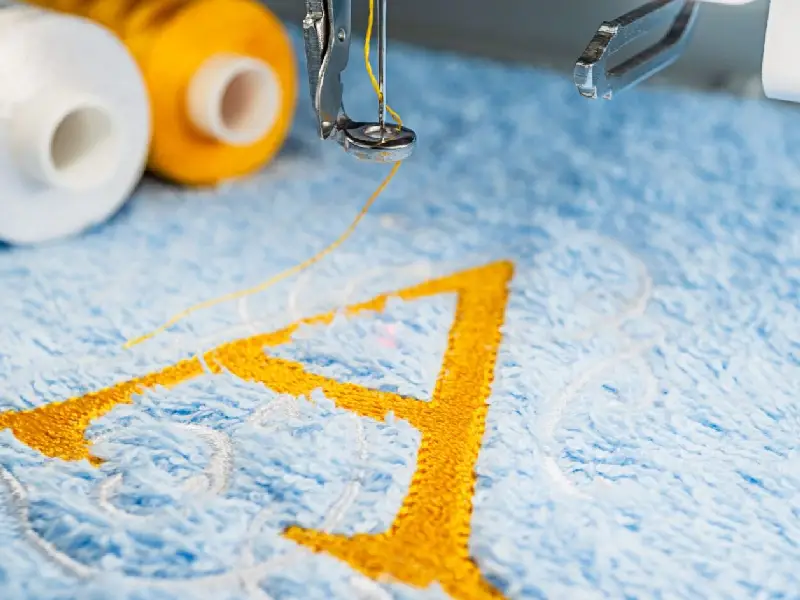
In the textile decoration industry, the gap between a digital graphic and a finished garment is bridged by a complex technical process known as embroidery digitizing. This is not a simple file conversion; it is a sophisticated form of engineering where a design is translated into a language of coordinates, stitch types, and tension commands. For brands focused on high-end custom apparel, the quality of the digitizing file is the single most important factor in determining the professional “hand-feel” and visual authority of their branded merchandise.
The Engineering of the Stitch Path
Unlike a printer that applies ink to a substrate, an embroidery machine moves a physical needle through fabric at high speeds. This creates physical force. A professional digitizer must manually program the stitch pathing to account for the “push and pull” of the textile. Without this technical adjustment, circles become ovals and borders fail to align. High-level digitizing involves strategic underlay stitching, which acts as a foundation, stabilizing the fabric and preventing the final design from sinking into the garment’s weave or puckering the material.
Defining Texture and Depth through Stitch Selection
A master digitizer doesn’t just fill shapes with thread; they select specific stitch architectures to create depth and light play.
- Satin Stitches: Used for borders and lettering to provide a high-gloss, premium sheen.
- Tatami (Fill) Stitches: Employed for larger areas, where the stitch direction can be manipulated to create a subtle 3D texture.
- Run Stitches: Essential for intricate detail and fine lines that require absolute precision. By varying the stitch density and direction, a digitizer can make a 2D logo appear multidimensional, catching the light in a way that signals luxury and craftsmanship.
Fabric-Specific Calibration
One of the most critical reasons professional digitizing matters is the variation in textile substrates. A design digitized for a heavy-duty 12oz cotton duck canvas jacket will not work on a 4oz moisture-wicking performance polo. The digitizer must adjust the thread tension and density settings specifically for the garment’s weight and elasticity. This ensures that the branding remains crisp and the garment remains wearable, avoiding the “stiff board” effect common in low-quality, automated digitizing.
Longevity and Production Integrity
Beyond aesthetics, professional digitizing is about the structural integrity of the apparel. Cleanly digitized files minimize “jump stitches”—the long threads between different parts of a design—which reduces the risk of snagging and unraveling. For a brand, this means their logo remains intact after hundreds of wash cycles. Furthermore, optimized files ensure smoother machine operation, reducing thread breaks and production errors, which is vital for maintaining a consistent brand image across large-scale production runs.
Conclusion: Stitching Quality into the Brand
In the competitive landscape of custom apparel, the needle and thread are the ultimate tools of brand expression. Embroidery digitizing is the technical soul of this process. By moving beyond basic automation and investing in professional, manual digitizing, companies ensure their brand is not just seen, but felt. It is the difference between a promotional giveaway and a high-end piece of corporate identity that people are proud to wear.