
Jacket Back Digitizing

  • Home
  • Jacket Back Digitizing

Large-Format Embroidery Engineering for High-Impact Branding

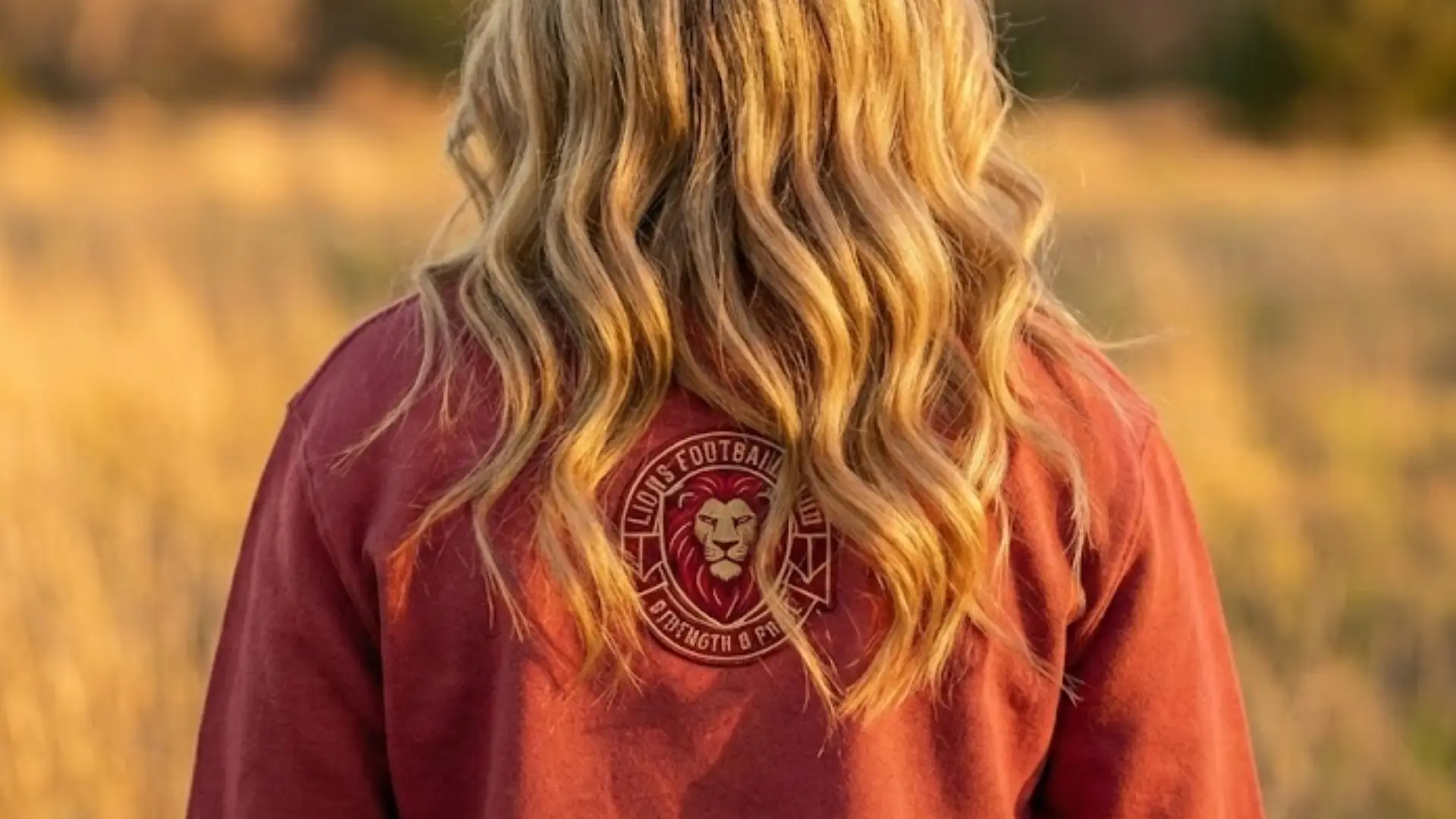
At High Rated Patch, we specialize in jacket back digitizing—the technical art of engineering large-scale embroidery (typically 8" to 15" in width) for maximum visual impact. Unlike small-format designs, a jacket back requires complex structural load management. Because these designs can contain anywhere from 50,000 to over 150,000 stitches, we focus on balancing high-density coverage with garment flexibility to ensure the design remains flat, bold, and comfortable without causing the jacket to sag or pucker.

Our jacket back process includes a Weight-to-Stitch Calibration. We don't just scale up a small logo; we re-engineer the entire design logic to account for the heavy physical force that a high stitch count exerts on denim, leather, or performance outerwear.
Structural Integrity & Stability

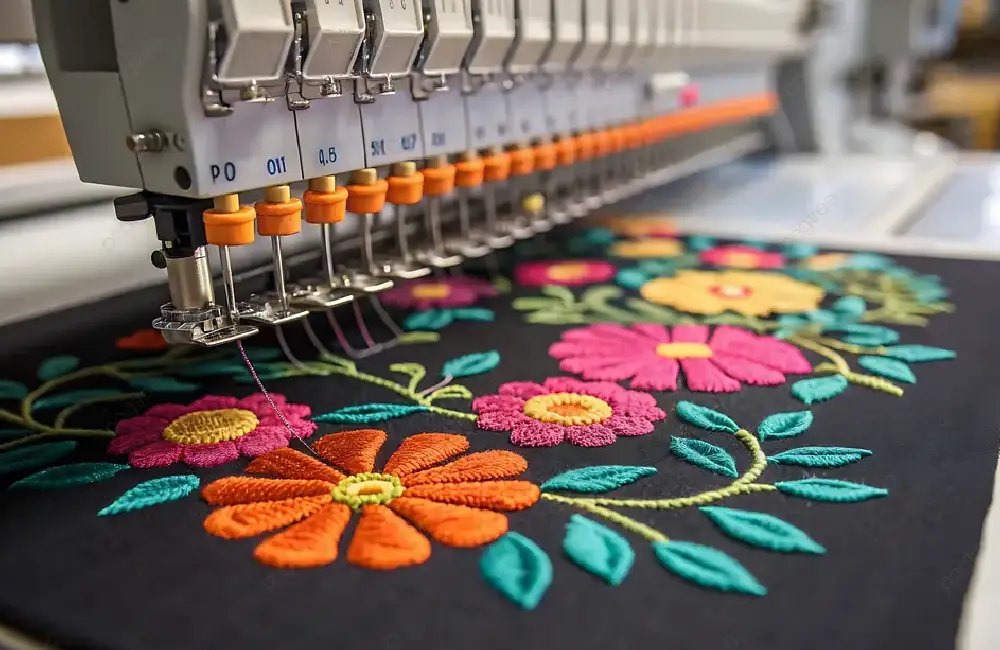
The primary challenge of large-scale embroidery is managing fabric distortion. At High Rated Patch, we utilize Multi-Directional Underlay Foundations to lock the fabric fibers in place before the top stitching begins. This "internal skeleton" prevents the garment from shifting during the long embroidery cycle, ensuring that every color layer aligns with 100% registration accuracy across the entire 12-inch or 15-inch surface.
Optimized Fill Patterns & Gradient Blending

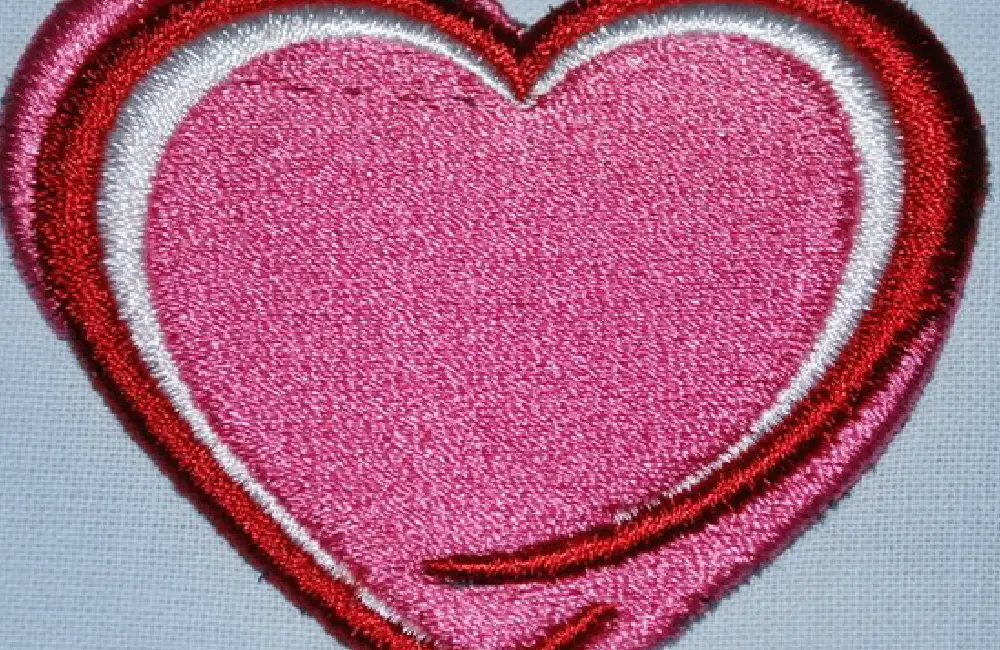
Large surface areas require specialized stitch mapping to avoid a "flat" or "stiff" look. We utilize Advanced Tatami (Fill) Textures and Curved Pathing to add dimension and movement to the design. For complex artwork, our digitizers employ Simulated Gradient Blending, strategically layering thread colors and varying stitch densities to create shadows and highlights that give your large-scale branding a prestigious 3D aesthetic.

Specifications

Technical Specifications & Features

Refine your brand assets with professional-grade file formats and design structures optimized for every industrial application.

  • File Formats
  • Design Features
DST (Tajima)

DST (Tajima)

The universal industry standard for industrial embroidery machines. It contains all stitch and jump data without proprietary color locks.
PES (Brother/Baby Lock)

PES (Brother/Baby Lock)

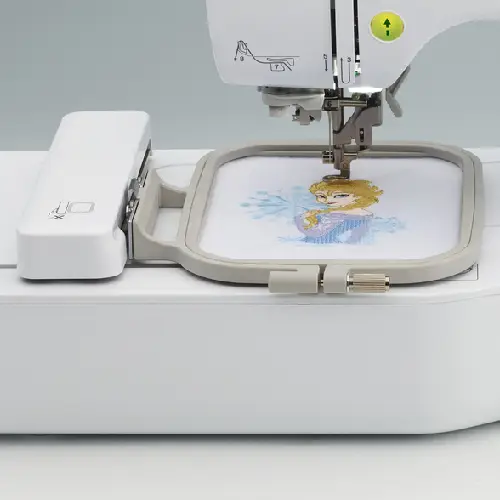
The primary format for many multi-needle and home-professional machines.

EMB (Wilcom Master File)

EMB (Wilcom Master File)

The "Source Code" of your design. It preserves all object properties, allowing for easy resizing and density adjustments.
PDF Production Worksheet

PDF Production Worksheet

We provide a technical "spec sheet" including stitch counts, color sequences, and size dimensions for your production team.
Custom Density Calibration

Custom Density Calibration

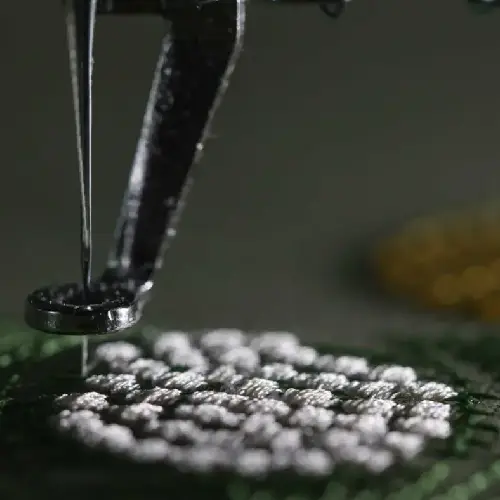
We adjust the number of stitches per millimeter based on the thread weight and fabric type to prevent "birdnesting" or fabric show-through.
Underlay Strategy

Underlay Strategy

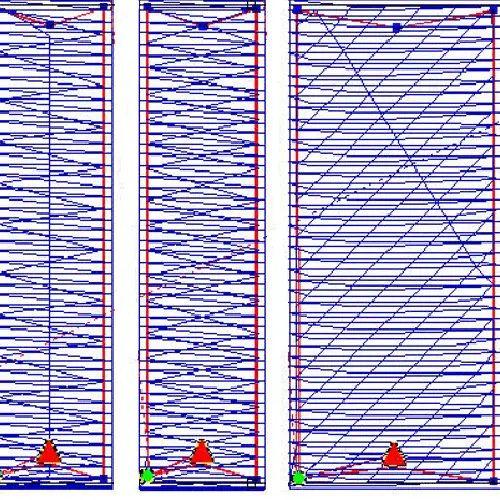
We engineer "foundation stitches" (center run, zigzag, or tatami) to stabilize the fabric and provide a 3D lift to the top stitching.
Automated Trim Reduction

Automated Trim Reduction

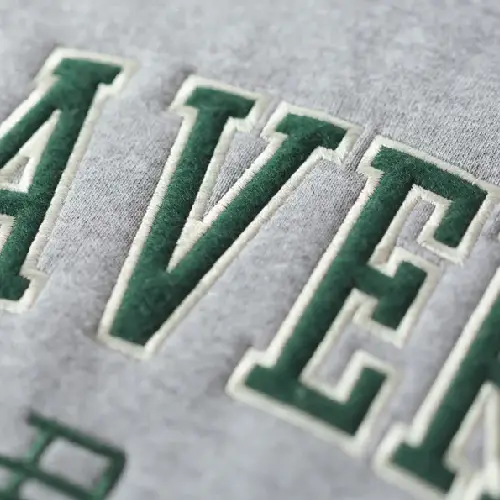
We manually sequence the design to eliminate unnecessary thread trims, resulting in a cleaner finish and faster machine run-times.
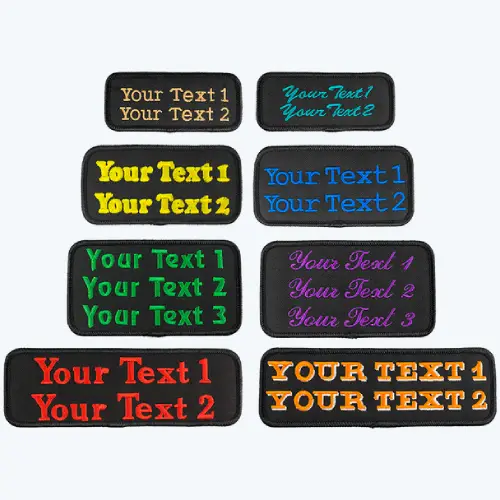
Small Text Optimization

Small Text Optimization

We utilize specialized "micro-stitch" settings for lettering as small as 4mm to ensure legibility and needle safety.
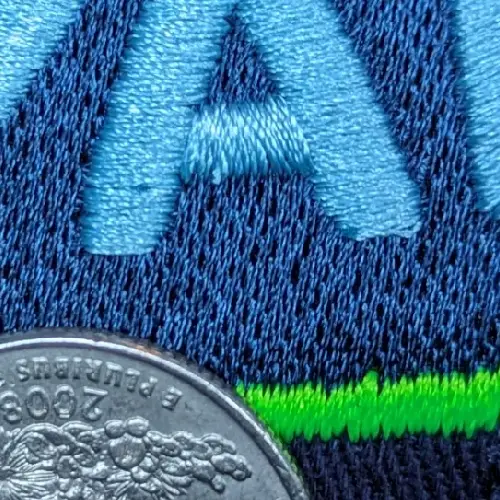
Satin vs. Tatami Mapping

Satin vs. Tatami Mapping

We strategically assign Satin stitches for borders and high-gloss areas, and Tatami (Fill) stitches for large surface areas to balance texture and weight.
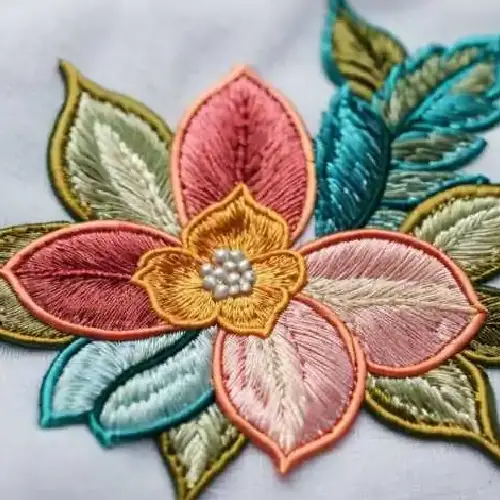
Appliqué Pathing

Appliqué Pathing

For large patches, we provide specialized "tack-down" and "cover-stitch" paths to integrate fabric inserts with embroidery.

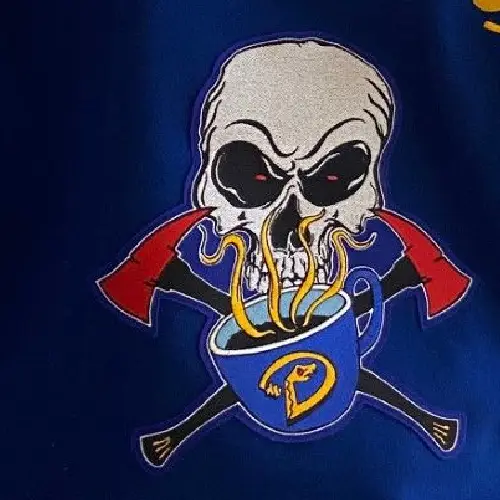
Showcase

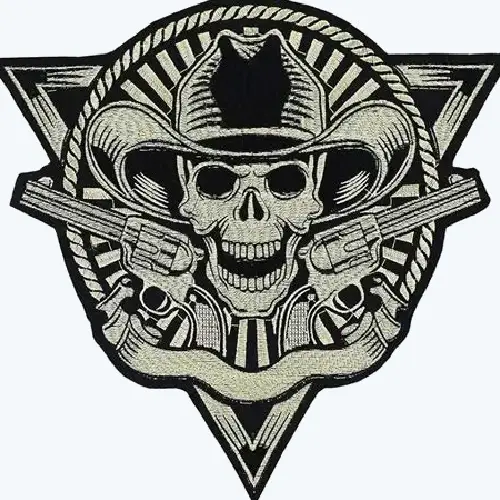
Recent Jacket Back Digitizing Work

Explore our latest jacket back digitizing work, showcasing precise stitch planning and production-ready embroidery files.
FAQs

Have Any questions?

Find answers to the most common questions about our jacket back embroidery digitizing and production accuracy.

What is the maximum size for a jacket back embroidery design?
Most industrial embroidery machines can handle a width of up to 14" to 15". However, the "sweet spot" for most retail and corporate jackets is between 9" and 12". We recommend measuring the smallest jacket size in your run to ensure the logo doesn't disappear into the side seams.
Why is my jacket back logo making the fabric pucker or wrinkle?
Puckering on large designs is usually caused by insufficient Underlay Stitches or incorrect thread tension. Because a jacket back logo has so many stitches, it "pulls" the fabric toward the center. We fix this by digitizing a "Foundation Grid" that anchors the fabric to the stabilizer before the main design starts, ensuring a perfectly flat finish.
Does a higher stitch count always mean a better-looking design?
Not necessarily. Excessive stitches can make a patch feel like a "piece of cardboard"—stiff, heavy, and uncomfortable. Our goal is Optimal Density: we use enough thread to ensure 100% opacity and vibrant color, but we use "smart-fill" techniques to keep the design as light and flexible as possible.
How long does a 100,000-stitch jacket back take to run?
Depending on the speed of the machine and the number of thread breaks, a 100,000-stitch design typically takes between 90 minutes and 2.5 hours to complete. This is why Path Optimization is so important—our efficient digitizing can shave 15-20 minutes off that time, saving you significant money on large production runs.
Can you digitize a full-color photograph for a jacket back?
Yes, using a technique called Photo-Stitch or Cross-Stitch Digitizing. This involves layering thousands of small stitches in varying colors to create a "painterly" effect. While it results in a very high stitch count, the visual impact on a jacket back is unrivaled for custom fashion and memorial designs.
What is the best fabric for large-format embroidery?
Heavyweight fabrics like denim, canvas, leather, and thick wool (varsity jackets) are the best substrates for large designs. If you are stitching on a thinner windbreaker or a softshell, we must use "Light-Fill" digitizing techniques to prevent the weight of the thread from tearing the fabric.
Do I need to use a specific stabilizer for large designs?
Yes. For jacket backs, we almost always recommend a heavyweight cut-away stabilizer (or two layers). Our digitizing files are engineered to work with these stabilizers to ensure that even after years of wear and washing, the design holds its original shape perfectly.
Can I use the same file for a 5-inch patch and a 12-inch jacket back?
No. Simply "blowing up" a small file will cause the stitches to be too long and loose, while shrinking a large file will "jam" the machine. We re-digitize the artwork specifically for the large format, changing the stitch types and pathing to suit the 12-inch scale.
How do you handle gradients in such a large space?
We use Radial or Linear Blending. Instead of a solid block of color, we "weave" two or three different thread colors together by varying the density of each. This creates a smooth, professional transition that looks incredible at a distance and up close.
Do you offer Appliqué digitizing for jacket backs?
Absolutely. Appliqué is a great way to cover a huge area (like a 14-inch letter) with fabric instead of thread. This makes the jacket much lighter and more flexible. We provide the "Placement Stitch," "Tack-down Stitch," and the final "Satin Border" to make the appliqué process seamless for your production team.

Send Us Your Design, and Get the Custom Quote Now