

Custom Digitizing
- Home
- Custom Digitizing
Precision Stitch Engineering & Path Optimization
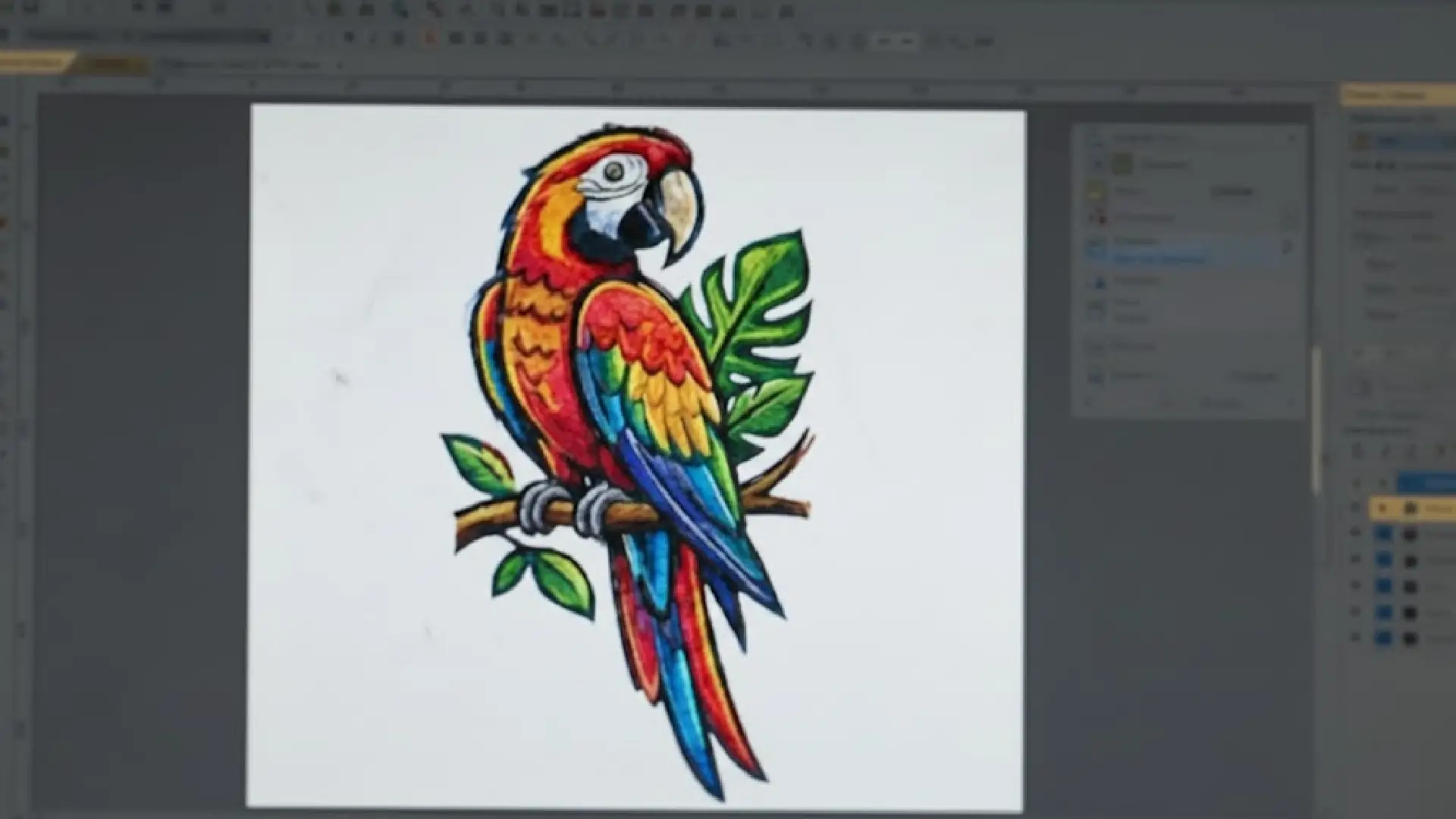
At High Rated Patch, we specialize in professional embroidery digitizing—the technical process of converting digital artwork into specialized machine instructions (stitch files). Unlike a simple image conversion, digitizing is a form of textile engineering. We manually map out every stitch, determining the exact path, sequence, and density required to translate your logo into a physical masterpiece of thread and fabric.
Our digitizers don't just "auto-trace"; we perform a Technical Fabric Audit for every design. We adjust the stitch logic based on the specific substrate—whether it’s heavy-duty denim, delicate performance polyester, or structured headwear—to ensure a flawless, "pucker-free" finish that maintains its structural integrity over time.
Thread Physics & Stitch Compensation
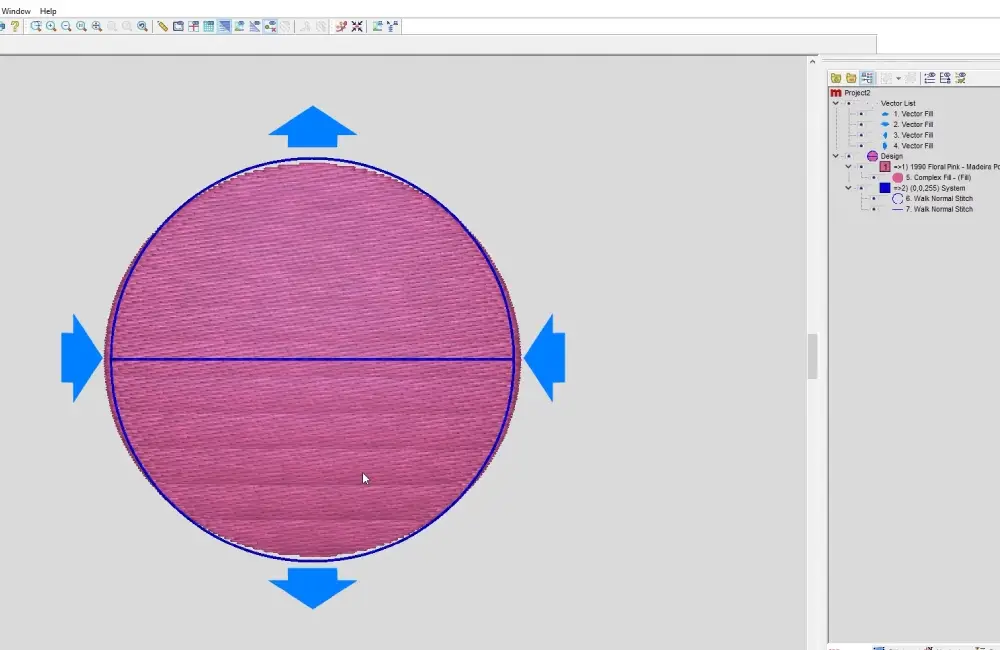
A critical element of professional digitizing is managing the physical physics of thread. As a machine stitches, the thread naturally "pulls" the fabric inward and "pushes" it outward. At High Rated Patch, we utilize Advanced Compensation Logic, mathematically adjusting the digital boundaries of your logo to account for these forces. This ensures that when the machine finishes, your circles are perfectly round and your outlines align with 100% precision.
Path Efficiency & Run-Time Optimization
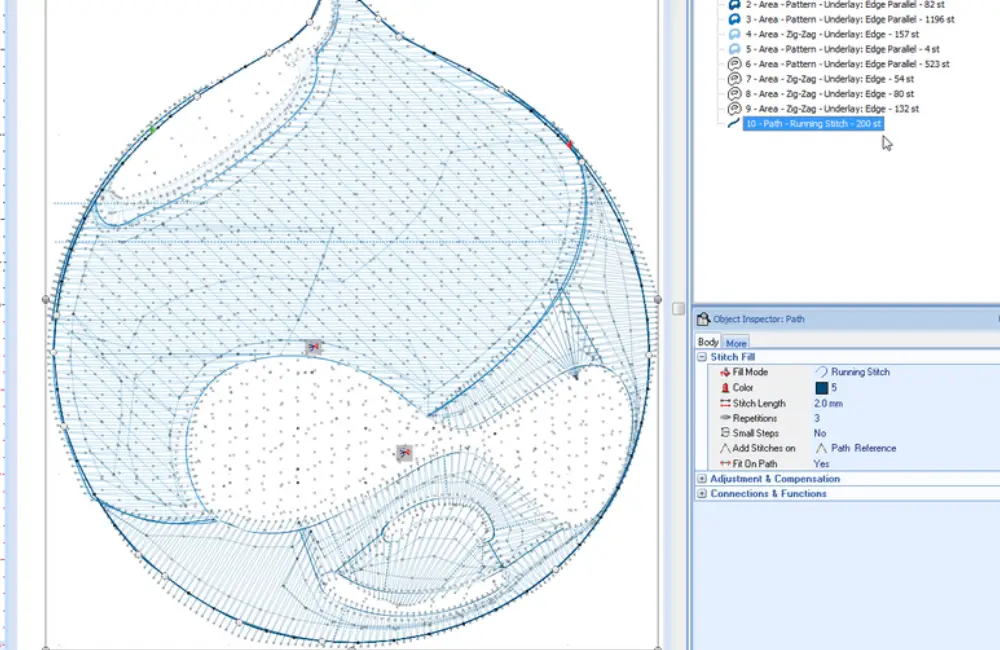
We focus on Clean Path Architecture to minimize thread breaks and "jump stitches." By engineering the most efficient movement for the embroidery head, we reduce production time and mechanical wear. This results in a smoother embroidery process, a cleaner "back" of the patch, and a significantly more durable final product that resists snagging and unraveling.
Technical Specifications & Features
Refine your brand assets with professional-grade file formats and design structures optimized for every industrial application.
- File Formats
- Design Features
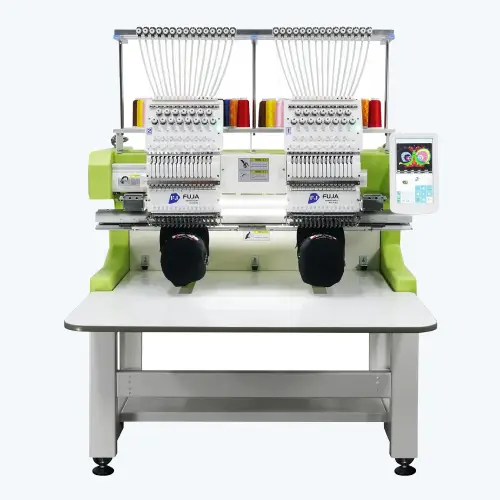
DST (Tajima)
The universal industry standard for industrial embroidery machines. It contains all stitch and jump data without proprietary color locks.
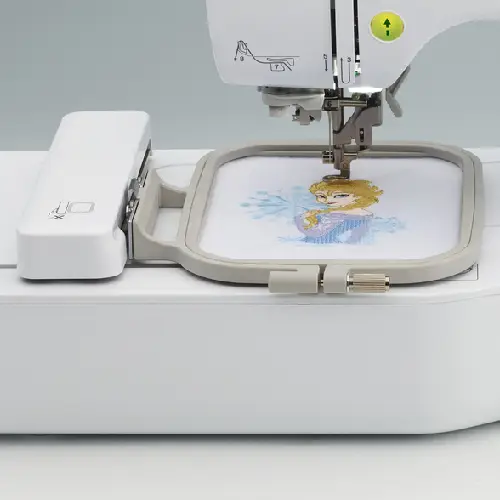
PES (Brother/Baby Lock)
The primary format for many multi-needle and home-professional machines.

EMB (Wilcom Master File)
The "Source Code" of your design. It preserves all object properties, allowing for easy resizing and density adjustments.

PDF Production Worksheet
We provide a technical "spec sheet" including stitch counts, color sequences, and size dimensions for your production team.
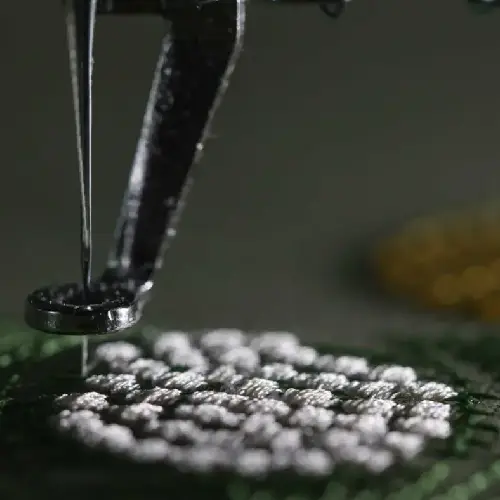
Custom Density Calibration
We adjust the number of stitches per millimeter based on the thread weight and fabric type to prevent "birdnesting" or fabric show-through.
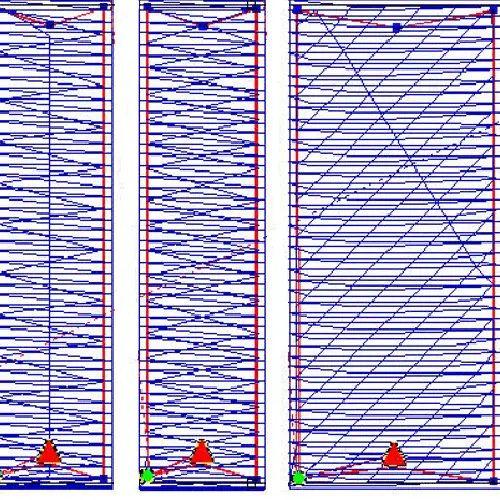
Underlay Strategy
We engineer "foundation stitches" (center run, zigzag, or tatami) to stabilize the fabric and provide a 3D lift to the top stitching.
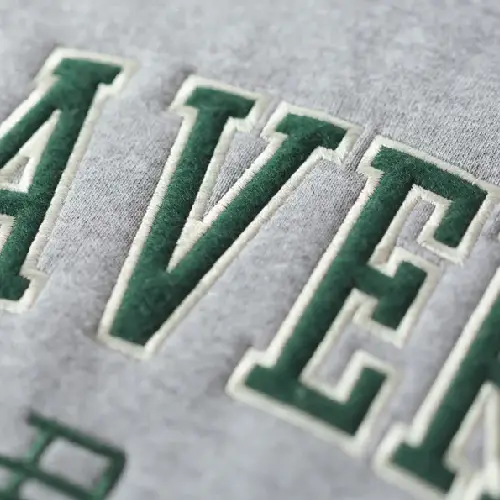
Automated Trim Reduction
We manually sequence the design to eliminate unnecessary thread trims, resulting in a cleaner finish and faster machine run-times.
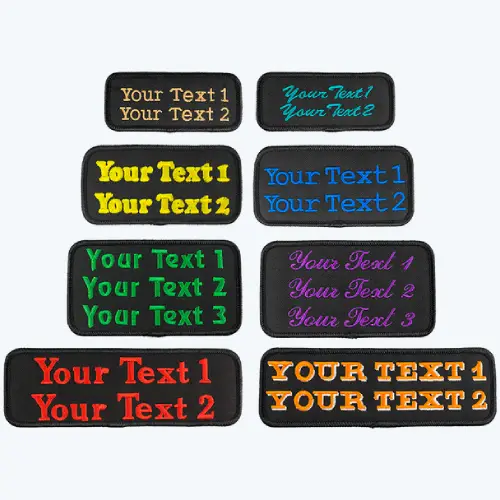
Small Text Optimization
We utilize specialized "micro-stitch" settings for lettering as small as 4mm to ensure legibility and needle safety.
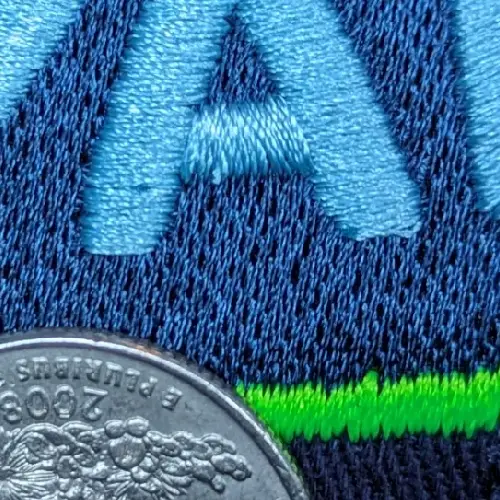
Satin vs. Tatami Mapping
We strategically assign Satin stitches for borders and high-gloss areas, and Tatami (Fill) stitches for large surface areas to balance texture and weight.
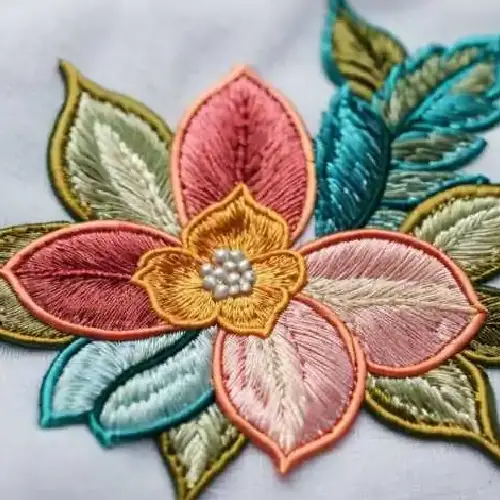
Appliqué Pathing
For large patches, we provide specialized "tack-down" and "cover-stitch" paths to integrate fabric inserts with embroidery.
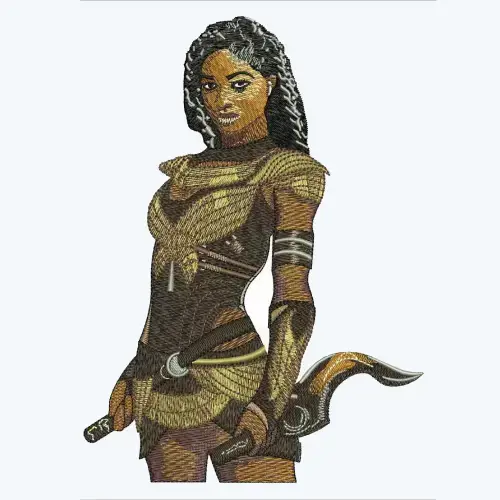
Recent Custom Digitizing Work
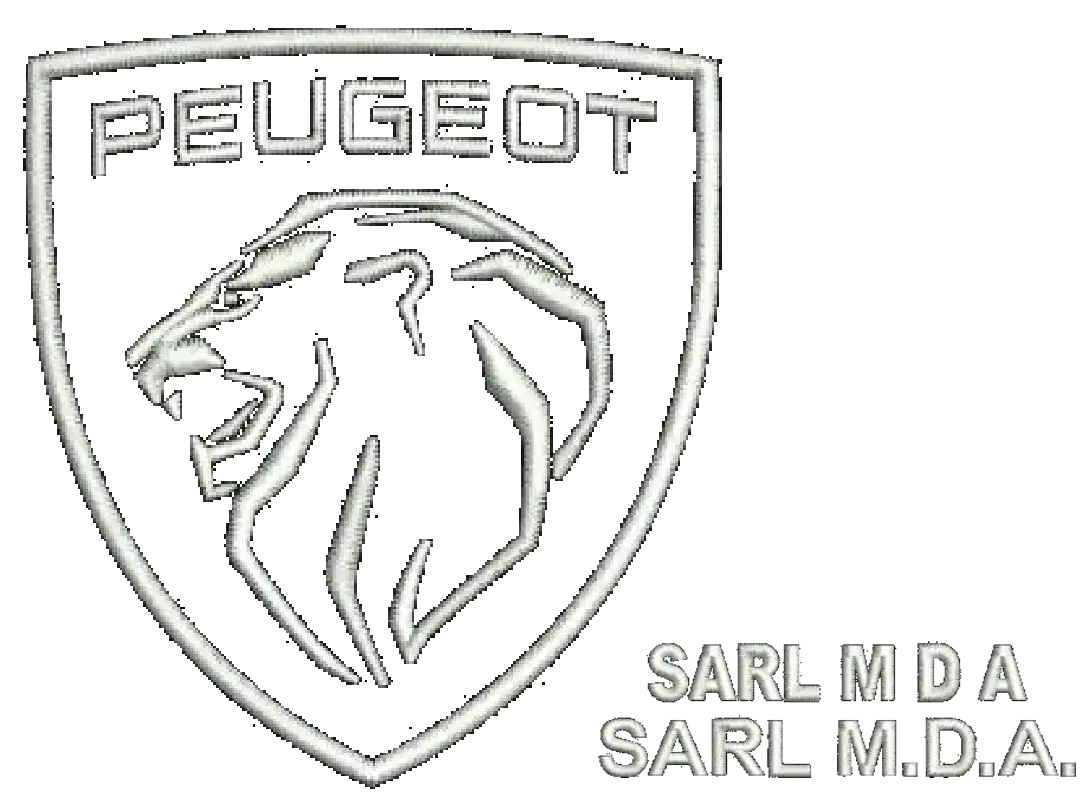
Explore our latest custom digitizing projects, showcasing precise stitch planning and production-ready embroidery files.



Have Any questions?
Find answers to the most common questions about our custom embroidery digitizing and production accuracy.