

How Professional Embroidery Digitizing Improves Stitch Quality and Design Accuracy
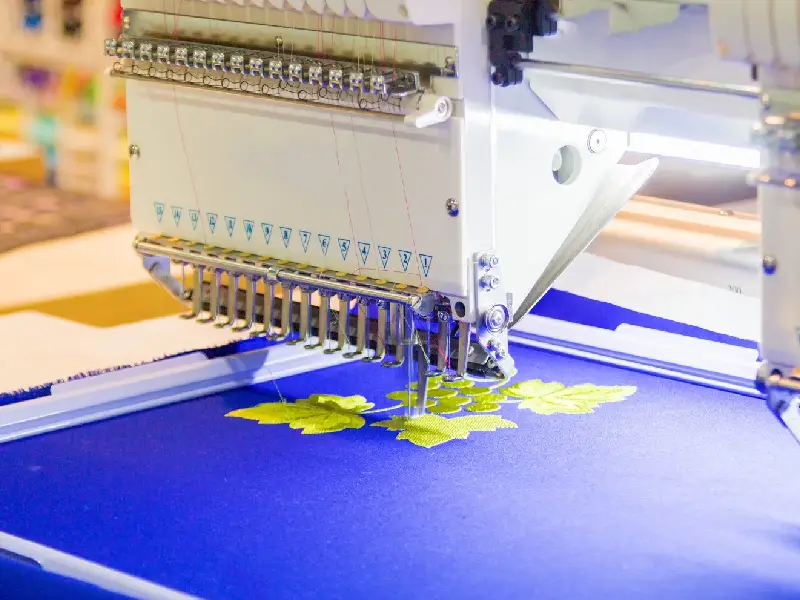
In the industrial textile landscape, the difference between a mediocre logo and a masterpiece lies in the technical precision of the “stitch file.” While modern embroidery machines are capable of incredible speeds and intricate movements, they are only as capable as the instructions they receive. Professional embroidery digitizing is the technical discipline of translating visual art into a mechanical roadmap, and it is the primary factor that determines the final stitch quality and geometric accuracy of a design.
Mastering the Physics of “Push and Pull”
One of the most complex challenges in garment decoration is the physical movement of the fabric under the needle. As thread is interlaced with the textile, it naturally creates tension, causing the fabric to “push” out in certain directions and “pull” in others. A novice or automated digitizer often ignores these forces, resulting in misaligned borders and distorted shapes.
Professional digitizers use compensation techniques—manually adjusting the digital paths to counteract these physical shifts. By over-calculating the width of a column or the length of a fill, the digitizer ensures that when the machine is finished, the logo is perfectly symmetrical and true to the original artwork.
The Foundation of Underlay Stitching
The secret to a crisp, high-definition design is not the top layer of thread, but what lies beneath it. Underlay stitching serves as the foundation of the embroidery, much like the framing of a building. It stabilizes the fabric, secures it to the backing (stabilizer), and provides a “lift” for the top stitching.
Professional digitizing involves selecting the correct underlay type—such as a center walk for narrow columns or a double zigzag for dense fills. This prevents the top stitches from sinking into the knit of the fabric, ensuring that fine details remain sharp and that the design maintains a consistent, premium texture across the entire surface.
Stitch Density and Path Optimization
Achieving high design accuracy requires a delicate balance of stitch density. If the stitches are too close together, the needle can damage the fabric fibers, causing “nesting” or thread breaks. If they are too far apart, the background fabric will show through, making the brand logo look sparse and unprofessional.
A professional digitizer manually maps the pathing of the design to minimize unnecessary jump stitches and color changes. This logical flow not only improves the final aesthetic by creating a smoother surface but also increases machine efficiency, ensuring a consistent look across hundreds of garments in a single production run.
Precision in Small Text and Fine Lines
The true test of a digitizer’s skill is small-lettering and intricate detail. In the textile world, there is a physical limit to how small a stitch can be before it loses clarity. Professional digitizing uses manual stitch placement for small text, ensuring that every “e” and “a” is open and legible. By adjusting the “tie-ins” and “tie-offs” (the knots that secure the thread), the digitizer prevents the thread from unraveling without creating bulky lumps that distract from the design’s accuracy.
Conclusion: The Technical Edge in Textile Branding
Design accuracy in embroidery is not a matter of luck; it is the result of rigorous technical calibration. By understanding the relationship between thread weight, fabric elasticity, and needle pathing, professional digitizing transforms a simple image into a durable, high-fidelity emblem. For brands that refuse to compromise on quality, professional digitizing is the essential investment that ensures their identity is stitched with absolute precision and lasting excellence.